03 Steel Process 03
Hand Forging Today
Where hand work survives, it is usually because the run is too small to tool for.
Where the Work Stays
A production run of ten thousand identical parts pays for a die set. A run of thirty does not. That economic line is where hand forging survives — not as heritage theatre, but as the only method that makes commercial sense at low volume.
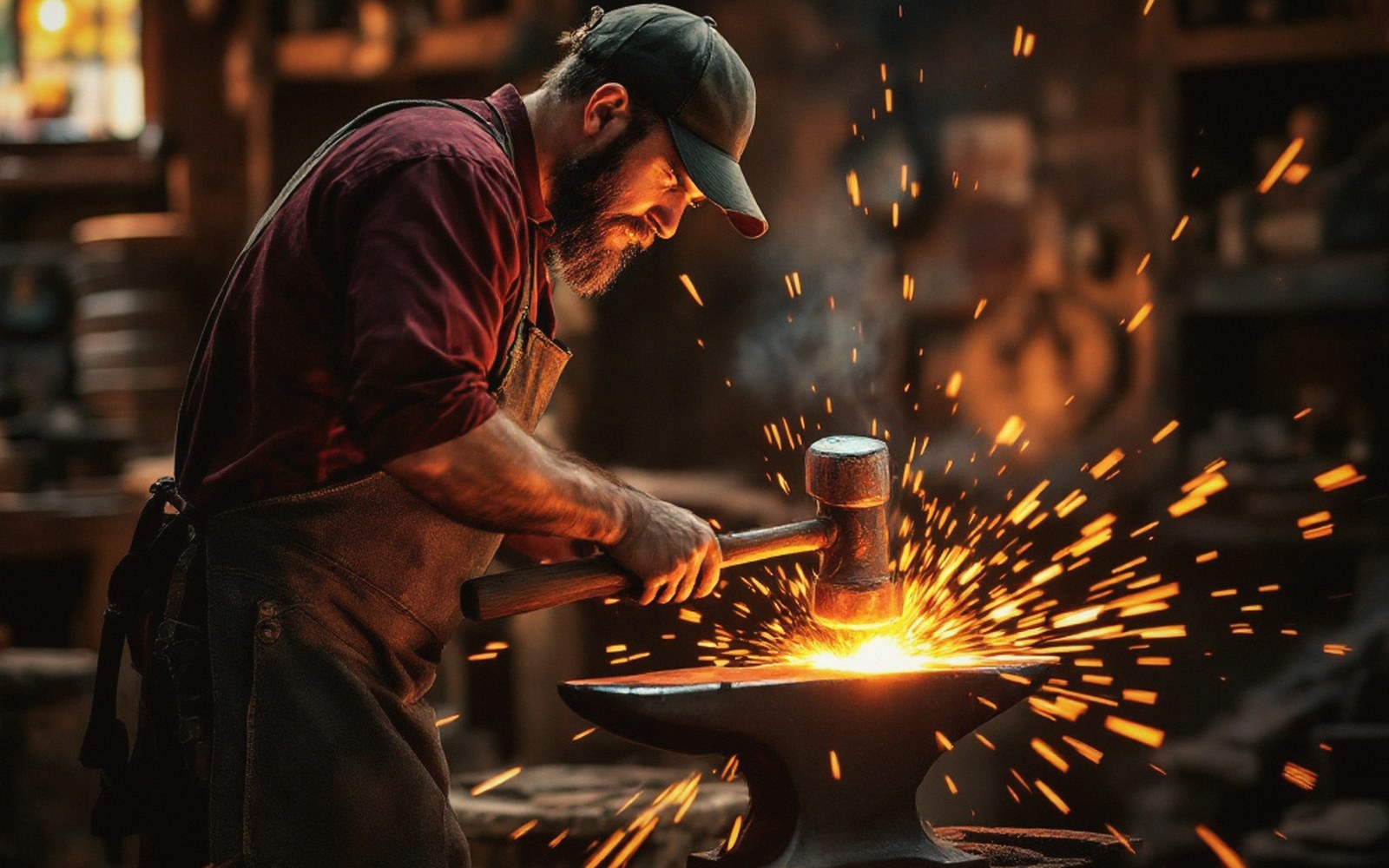
The blacksmith's sequence is unchanged: heat the steel to working temperature, typically orange or yellow, place it under the hammer or on the anvil, and move metal while it remains plastic. What has changed is the steel itself, the gas-fired or induction furnace replacing the coal hearth, and the pneumatic hammer supplementing the arm. The core judgment — reading colour for temperature, feeling resistance in the blow — belongs to the operator and nowhere else.
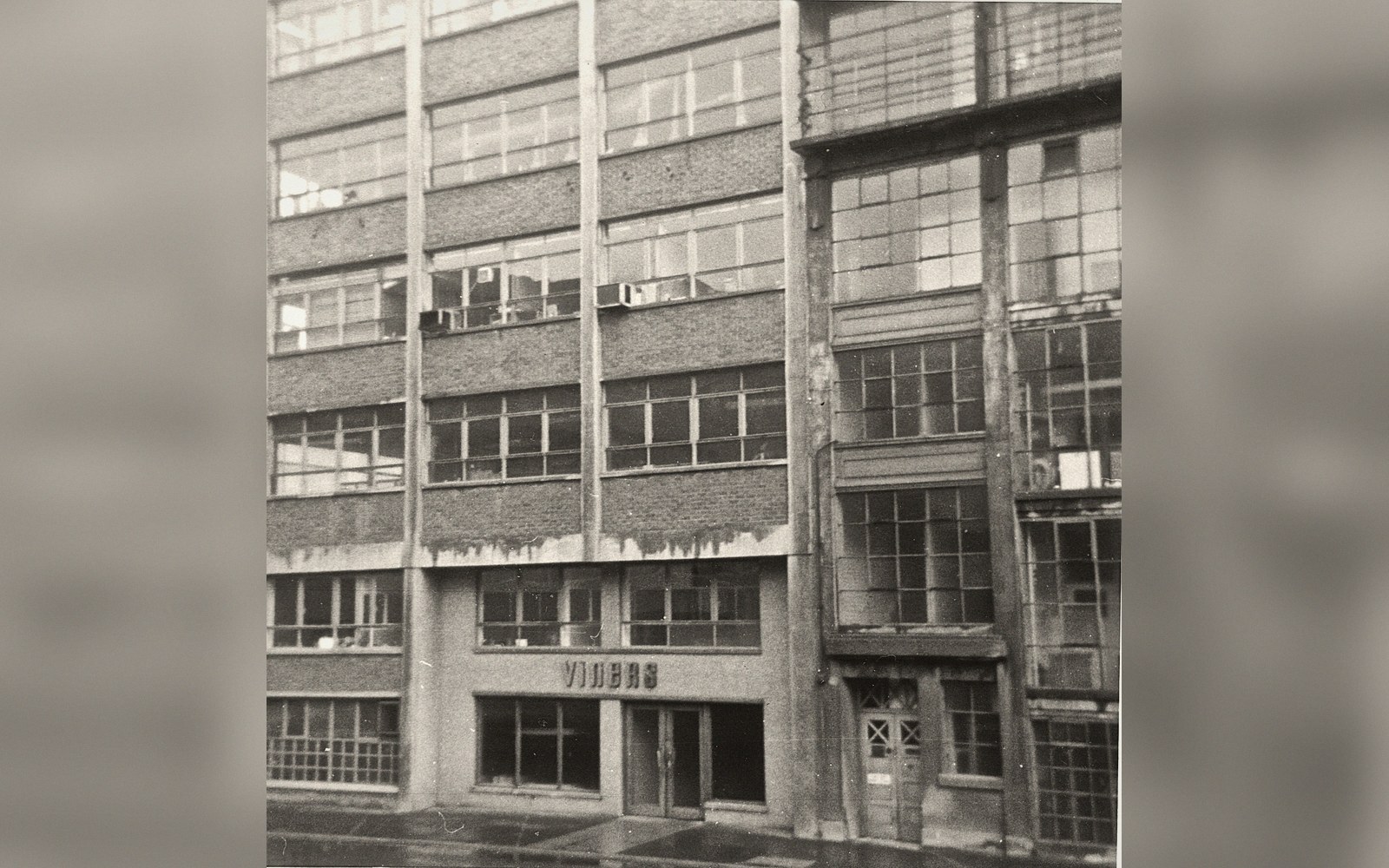
Sheffield retains a cluster of small forges producing specialist tooling, agricultural ironwork and bespoke components for heritage restoration. The trade is genuinely skilled: a smith who can draw, upset and drift steel to close tolerances without benefit of a die is not easily replaced, and the knowledge moves from person to person rather than from a manual. British Standards Institution specifications exist for hardening and tempering after forging, but the forging itself remains judged by eye and hand.
The architectural ironwork sector keeps another strand alive. Staircases, gates, fire surrounds and structural brackets for listed buildings regularly need single pieces — sometimes matched to surviving originals — that would be absurd to tool for. Here the smith is working from a drawing, or from a fragment, producing in a day what a stamping plant would need weeks of setup to attempt.
Where it happens
03 Steel · lifted out of the flow| Sheffield | surviving cluster of small-volume specialist forges |
| Architectural ironwork | heritage restoration work, listed buildings, single-piece commissions |
| Knife and tool blanks | forged grain flow for edge retention |
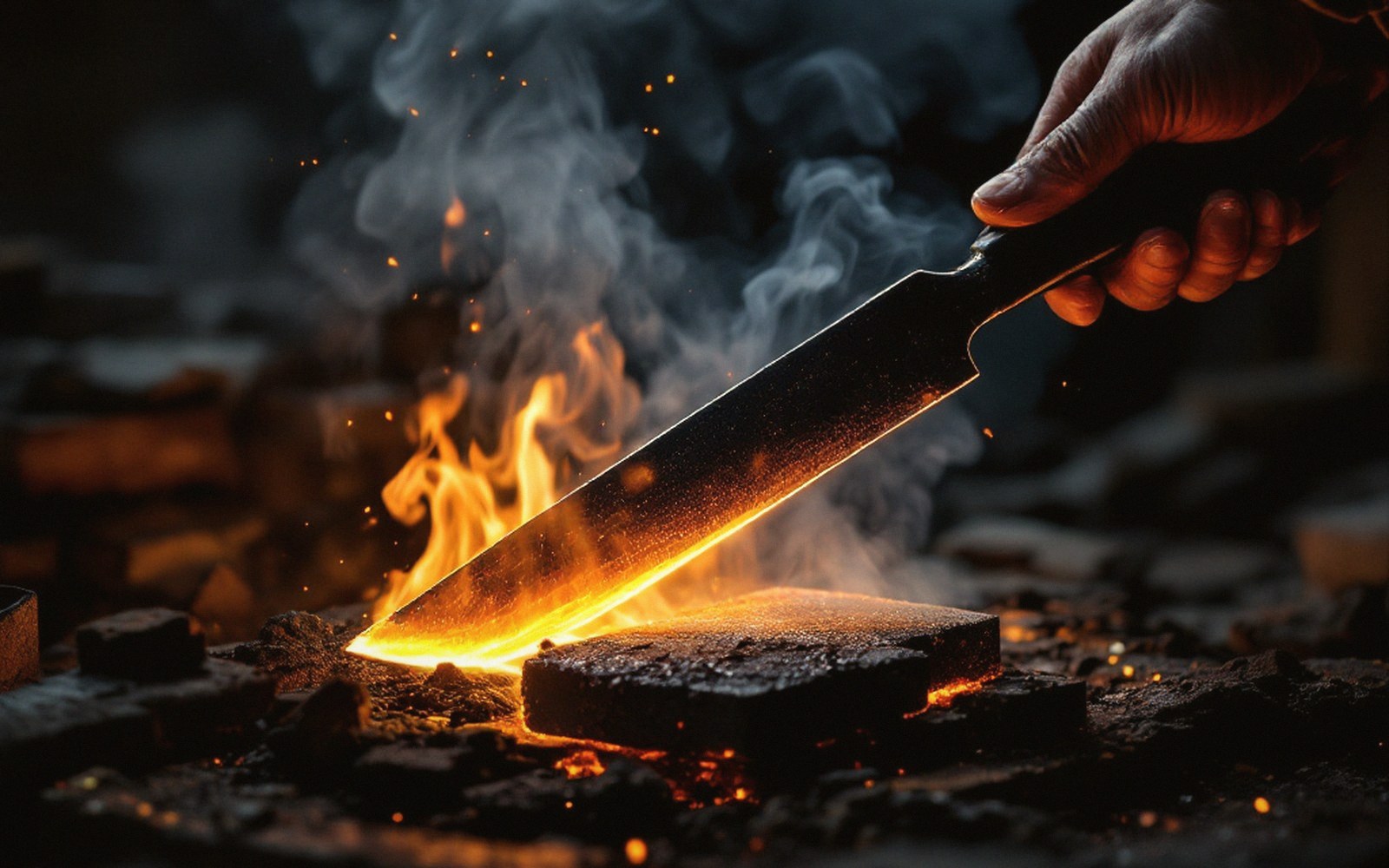
Knife and tool blanks represent a third niche. A forged blank has grain flow that follows the shape of the finished piece; a blank cut from bar stock does not. That difference in grain structure matters for edge retention in high-performance cutting tools, which is why some specialist manufacturers still begin with the hammer even where later stages are entirely machined.
The economics are tight. Material is not the cost; time is. Hand forging survives precisely where the alternative — months of setup for a short run — costs more than a skilled smith charges by the day.
Where machine tooling cannot be justified, the hammer still is.